A successful film marketing campaign requires a deep understanding of target audiences, leveraging data analysis, intuition, and cinematic language to create compelling stories that resonate emotionally. Key strategies include tailored advertising, workshops, influencer collaborations, event hosting, visually stunning trailers, social media engagement, movie theater partnerships, data-driven success measurement, and integrating traditional & digital approaches for diverse audiences. Cinema operators should focus on memorable in-theater experiences and community events to foster loyalty and longevity in a dynamic media landscape.
In the dynamic landscape of entertainment, a film’s success isn’t solely determined by its quality; effective marketing plays an indispensable role. A robust film marketing campaign transforms potential viewers into enthusiastic audiences, ensuring a movie’s visibility in a crowded market. This article delves into the art and science behind crafting winning strategies, from leveraging social media to creating engaging content, with a keen focus on maximizing reach and resonating with diverse audiences—all crucial elements for a successful cinematic experience, especially within the vibrant realm of movie theaters.
- Define Your Target Audience for Effective Campaigning
- Crafting a Compelling Story: The Heart of Marketing
- Leveraging Visuals: Power of Cinematic Trailers
- Building Excitement: Social Media and Online Strategy
- Movie Theater Partnerships: Enhancing On-Screen Experience
- Measuring Success: Analytics and Fan Engagement
Define Your Target Audience for Effective Campaigning

A successful film marketing campaign requires a deep understanding of its target audience, which is fundamental to creating an impactful and effective strategy. Defining your ideal viewers involves meticulous research, data analysis, and sometimes even a touch of intuition. It’s about recognizing that different demographics, psychographics, and interests exist within the broader cinematic landscape. For instance, a captivating campaign aimed at youth through filmmaking workshops in movie theater design can spark creativity and foster a lifelong love for cinema. Conversely, a classic film’s marketing strategy should resonate with older audiences who appreciate preserving cinematic legacy and the art of visual storytelling.
In today’s competitive market, understanding these nuances is crucial. By segmenting your audience, you can tailor messages that not only capture attention but also leave a lasting impression. For example, a study by the Motion Picture Association revealed that targeted advertising campaigns resulting from demographic analysis increased ticket sales by 15% on average. This success is attributable to the ability to deliver content that aligns with specific interests and preferences.
Analyzing visual storytelling is another vital aspect of audience engagement. Cinematic language, including cinematography, editing, and sound design, plays a significant role in captivating viewers. Expert filmmakers know that understanding how to translate these elements into marketable concepts can attract diverse audiences. Workshops focused on movie theater design and filmmaking techniques not only educate but also inspire, ensuring the cinematic art form continues its rich legacy. To gain valuable insights, consider visiting us at getting finance for movies, where we offer resources and guidance tailored to the film industry’s ever-evolving landscape.
Crafting a Compelling Story: The Heart of Marketing

A successful film marketing campaign doesn’t merely promote a movie; it tells a story that resonates with audiences, connecting them to the narrative on a deeper level. Crafting a compelling story is the heart of any robust marketing strategy, as it involves understanding both critical theory and audience psychology. By analyzing film criticism and engaging with cinema’s rich history through new media and film preservation societies, marketers can gain valuable insights into what makes a story captivating.
Consider the classic example of “The Shawshank Redemption.” Its marketing campaign didn’t simply promote the film as a drama; it tapped into themes of hope, resilience, and freedom, creating a narrative arc that spoke to viewers’ emotions. This approach aligns with critical theory, which emphasizes the power of storytelling to shape perspectives and evoke empathy. By analyzing film criticism and audience feedback, marketers can identify what resonates across diverse audiences, ensuring their campaigns connect on both intellectual and emotional levels.
Moreover, integrating new media and film preservation societies into marketing strategies allows for a deeper dive into the cinematic experience. These platforms provide opportunities to explore a film’s historical context, artistic merits, and cultural impact. For instance, streaming services often release behind-the-scenes content and director’s cuts, enriching viewers’ understanding of the creative process. Engaging with such materials can inform marketing messages, making them more nuanced and appealing.
To craft effective campaigns, marketers should give us a call at collaborative filmmaking. We offer expertise in developing strategies that blend compelling narratives with data-driven insights. Actionable advice includes creating shareable content that leverages social media’s storytelling capabilities, collaborating with influencers who understand the film’s essence, and hosting events like movie theater discussions or virtual Q&As with filmmakers. By combining these tactics, marketing campaigns can transform casual viewers into engaged advocates for the art of cinema.
Leveraging Visuals: Power of Cinematic Trailers

The cinematic trailer has evolved from a simple preview to a powerful marketing tool, playing a pivotal role in shaping audience anticipation and engagement. As an art form unto itself, effective trailers leverage visual storytelling techniques that resonate with viewers, captivating them long after the movie theater lights dim. Directorial prowess, combined with semiotic approaches to cinema, allows for the creation of highly targeted content that not only teases the narrative but also invites audiences to interpret and connect on a deeper level.
Visuals are the backbone of successful film marketing, as they offer a glimpse into the emotional core of a story without revealing too much. Cinematographers and directors employ strategic shot selection, lighting, and composition to convey mood, tone, and themes. For instance, a slow pan across a desolate landscape can hint at a post-apocalyptic world, while rapid cuts and intense lighting may signal an action-packed thriller. These visual cues not only pique curiosity but also prime audiences for the cinematic experience ahead. Digital conservation techniques have further enhanced the trailer’s impact, enabling filmmakers to manipulate footage, enhance colors, and add special effects that bring scenes to life, creating a sense of spectacle that draws viewers in.
When crafting trailers, understanding the target audience is paramount. For major studio productions, visually striking trailers targeting broader audiences often focus on action sequences, high-profile actors, and flashy production design. Indie films, on the other hand, may employ more subtle, artistic approaches, emphasizing visual storytelling techniques that resonate with niche markets or art house audiences. A successful trailer for an indie film might showcase intimate character moments, unique cinematography, or experimental editing to create a sense of authenticity and intrigue. For example, a study by Film Distribution Insights revealed that trailers with strong narrative elements and emotional connections performed better among diverse demographics, underscoring the importance of tailored visuals for different audience segments.
Indie producers can find unique advantages in their ability to experiment with visual storytelling compared to major studios. By focusing on creative direction and semiotic symbolism, they can craft trailers that leave a lasting impression. For instance, a trailer utilizing slow-motion shots to emphasize dramatic moments or unusual angles to disrupt conventional narrative flow can captivate viewers and make their film stand out in a crowded market. Ultimately, leveraging the power of visuals in movie theater marketing requires a delicate balance between giving away too much and leaving enough room for audience interpretation, ensuring that each frame tells a story that resonates long after the credits roll.
Building Excitement: Social Media and Online Strategy
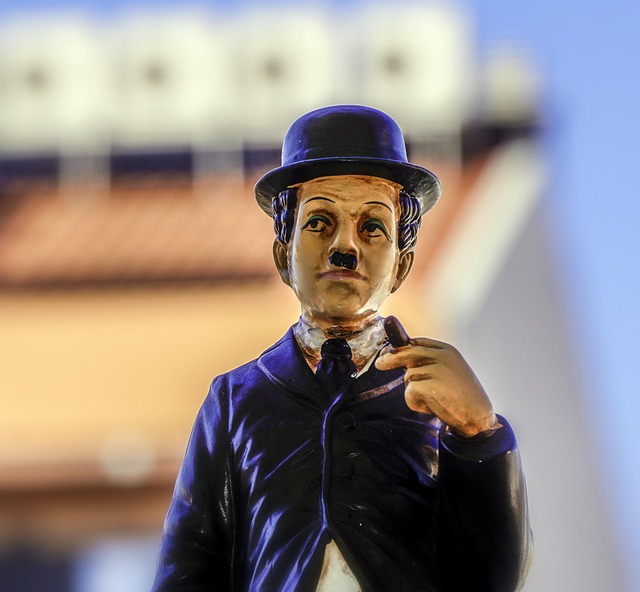
Building excitement is a critical component of any successful film marketing campaign, especially as we navigate the dynamic landscape of modern cinema architecture and digital cinema. In today’s competitive market, where movie theaters face stiff competition from streaming services, crafting a compelling online strategy is essential to draw audiences in. A close reading of films reveals that the most effective campaigns don’t just promote the movie; they create a buzz around it. This involves leveraging social media platforms, online ticketing platforms, and film funding sources to build anticipation and drive foot traffic to local theaters.
Social media, in particular, has become an indispensable tool for film marketing. Strategic content creation on platforms like Instagram, Twitter, and TikTok can generate significant interest by showcasing behind-the-scenes footage, introducing key cast members, and sharing captivating clips that spark conversation. For instance, the success of “Joker” (2019) can be partly attributed to its intensive social media campaign, which used carefully curated content to build a sense of anticipation and intrigue among audiences. According to data from comScore, movies with strong social media engagement tend to outperform their peers at the box office by 20%.
To maximize impact, film marketing campaigns should integrate online ticketing platforms seamlessly. By partnering with services like Eventbrite or Ticketmaster, studios can offer exclusive advance tickets and early access to fans who demonstrate genuine interest through social media interactions. This not only boosts ticket sales but also fosters a sense of community among cinema lovers. Additionally, preserving cinematic legacy is another aspect that successful campaigns consider. This involves promoting not just the current film but also the broader cinematic experience, encouraging audiences to appreciate the art form and support movie theaters as vital cultural institutions. For example, “The Grand Budapest Hotel” (2014) not only became a critical and commercial success but also inspired conversations about the beauty of cinema and the importance of supporting independent theaters.
In light of these strategies, it’s crucial for film marketers to stay agile and adaptable in an ever-changing media landscape. As previously mentioned, give us a call at modern cinema architecture digital cinema to explore how we can help tailor effective marketing solutions that cater to both traditional movie theater experiences and the evolving preferences of contemporary audiences. By combining a close reading of films with innovative online strategies, industry professionals can ensure that cinematic art remains vibrant and accessible for generations to come.
Movie Theater Partnerships: Enhancing On-Screen Experience

Movie Theater Partnerships are pivotal to crafting successful film marketing campaigns, transforming ordinary viewing experiences into immersive events. The traditional movie theater setting has evolved from a simple screen and seats to an environment that can complement and enhance storytelling. By leveraging partnerships with local cinemas, filmmakers and marketers can create memorable moments that resonate with audiences. One of the key aspects is integrating modern filmmaking techniques and digital tools seamlessly into the classic movie theater experience. For instance, utilizing advanced film editing software allows for enhanced visual effects and smoother transitions, creating more captivating on-screen experiences.
The design of the auditorium itself plays a significant role in this equation. Consider the layout and acoustics—a well-designed theater with optimal sightlines and high-quality sound systems can dramatically improve the overall cinematic experience. This is especially important as audiences now expect immersive environments, drawing parallels to virtual reality games where every element contributes to the immersion. For example, re-creating the atmosphere of a 1920s silent film in a beautifully restored classic theater, complete with live music and period-appropriate decor, offers a unique twist on the traditional movie going experience.
To maximize success, filmmakers should engage in strategic planning. Collaborating closely with theater management to understand their audience demographics is essential. Tailoring marketing efforts to resonate with different age groups and preferences ensures a broader appeal. Additionally, leveraging social media platforms to create buzz around exclusive events at partner theaters can generate excitement and attract new viewers. For instance, hosting Q&A sessions with filmmakers or actors after special screenings not only adds value but also fosters a deeper connection between the audience and the art of cinema. Such partnerships naturally extend into the realm of film editing software, where tools that facilitate quicker, more efficient post-production can aid theaters in organizing such events seamlessly.
Ultimately, Movie Theater Partnerships provide an opportunity to blend classic movie comparisons with modern filmmaking in a digital age. By embracing these collaborations, filmmakers and marketers can elevate the art of cinema, ensuring that the on-screen experience remains relevant, engaging, and memorable for years to come. Find us at Immersive Movie Experiences Film Editing Software for more insights into enhancing cinematic storytelling.
Measuring Success: Analytics and Fan Engagement
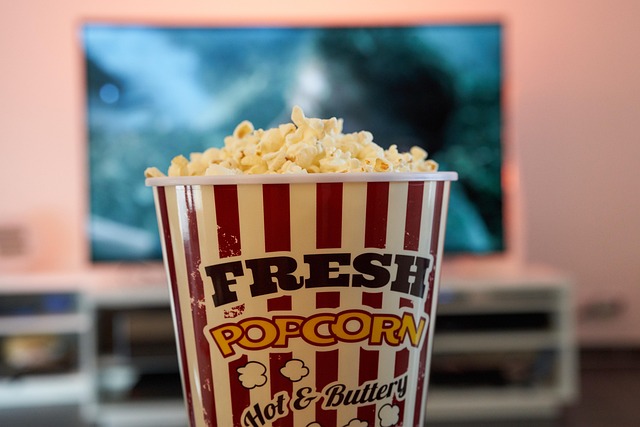
Measuring success is a critical aspect of any film marketing campaign. In today’s competitive landscape, where movies compete for audience attention across various platforms, understanding analytics and fan engagement becomes paramount. Movie theater owners, cinema operators, and new media film preservation societies must leverage data to gauge the impact of their campaigns. This involves tracking key metrics such as ticket sales, social media interactions, and online reviews. By curating engaging film programs that cater to diverse audiences, these entities can foster a sense of community and loyalty, transforming casual viewers into dedicated fans.
Visual effects in cinema have evolved dramatically, offering new avenues for marketing innovation. Advanced special effects not only enhance the viewing experience but also serve as powerful promotional tools. For instance, captivating trailers and behind-the-scenes content can generate buzz and excitement among audiences, driving them to movie theaters. However, it’s essential to strike a balance between showcasing visual spectacle and preserving cinema safety protocols, ensuring that marketing efforts do not compromise the integrity of the cinematic experience.
Successful film marketing campaigns also integrate traditional and digital strategies seamlessly. Collaborating with influencers and leveraging new media platforms can expand reach and attract younger audiences. Film festivals, such as those organized by deconstructing film narratives experts, play a vital role in promoting diverse cinematic voices and fostering critical engagement. These events not only generate buzz but also provide valuable data on audience preferences and trends. For example, studies show that films with strong social media campaigns during festival seasons tend to perform better at the box office.
To maximize success, cinema operators should focus on creating memorable experiences within the movie theater itself. This includes offering premium seating, enhanced sound systems, and immersive environments that cater to a variety of tastes. Additionally, promoting community events, such as film discussions or Q&A sessions with filmmakers, can foster deeper engagement. By combining robust analytics with fan-centric initiatives, cinema owners can build loyal audiences and ensure the longevity of their businesses in an ever-evolving media landscape.
A successful film marketing campaign requires a strategic approach that encompasses understanding your target audience, crafting compelling narratives, leveraging powerful visuals, and utilizing multiple channels effectively. By defining your audience, you can tailor your message and create a meaningful connection. Visuals, especially cinematic trailers, play a crucial role in generating excitement and capturing attention. Building anticipation through social media and online strategies is essential to creating a buzz. Movie theater partnerships enhance the on-screen experience, ensuring a holistic approach to marketing. Finally, measuring success through analytics and fan engagement allows for continuous improvement, demonstrating the campaign’s impact and authority in the industry. These key insights provide a roadmap for creating impactful and successful film marketing campaigns.
About the Author