
Film distribution strategies are transforming the movie theater landscape, with a shift towards digital platforms bypassing traditional theatrical releases. To adapt, cinema operators must enhance marketing efforts, foster unique experiences, and support independent productions. The future of cinema lies in a balanced coexistence between streaming services and physical theaters through complementary distribution strategies. Strategic partnerships, targeted marketing, and technological advancements can ensure movie theaters remain relevant and attractive to viewers.
The impact of film distribution on theater availability is a critical aspect of the modern entertainment landscape, shaping the way audiences engage with cinematic content. As the industry continues to evolve, understanding the intricate relationship between digital distribution platforms and traditional movie theaters becomes increasingly vital. This article delves into the complexities of this issue, exploring how efficient distribution strategies can enhance accessibility without compromising the unique experience offered by local cinemas, particularly in diverse market segments. We present a comprehensive solution that fosters coexistence and mutual growth between these essential components of the cinematic ecosystem.
- Film Distribution Strategies: Impact on Movie Theater Availability
- The Digital Revolution: Streaming vs. Traditional Theater Release
- Balancing Act: Maximizing Reach with Minimal Impact on Local Movie Theaters
Film Distribution Strategies: Impact on Movie Theater Availability

Film distribution strategies have a profound impact on movie theater availability, shaping the very landscape of collaborative filmmaking and cinema marketing. In today’s competitive market, understanding how different distribution approaches influence the accessibility of films to audiences and theaters is crucial for both seasoned filmmakers and aspiring screenwriters alike. The traditional theatrical release model, once the sole domain, has evolved alongside digital advancements, presenting new opportunities and challenges for independent and major studio productions alike.
One of the most significant shifts in recent years is the rise of direct-to-streaming services, which bypass the conventional theatrical window. Major streaming platforms now compete for exclusive content, offering appealing deals to attract top talent and capture global audiences promptly. This strategy has led to a decrease in traditional theater releases, particularly for niche or independent films that once found their home on the big screen. For instance, a study by the Motion Picture Association revealed that only 20% of films released in 2022 followed the classic theatrical-then-home video cycle, indicating a substantial shift towards digital distribution. This trend poses both threats and opportunities for movie theaters, necessitating innovative strategies to adapt and thrive.
To mitigate the impact of reduced theatrical releases, cinema operators must double down on their marketing efforts, creating unique experiences that resonate with audiences. Collaborative filmmaking techniques, such as involving local communities in production or fostering partnerships with nearby theaters, can foster a strong connection between filmmakers and viewers, ensuring a steady stream of patrons for local cinemas. Additionally, exploring diverse film genres and supporting independent productions through curated programming can attract a broader spectrum of moviegoers. By embracing these strategies, movie theaters can maintain their relevance, even amidst the digital distribution revolution. To delve deeper into effective cinema marketing strategies, visit us at behind-the-scenes of filmmaking for expert insights and practical tips.
The Digital Revolution: Streaming vs. Traditional Theater Release
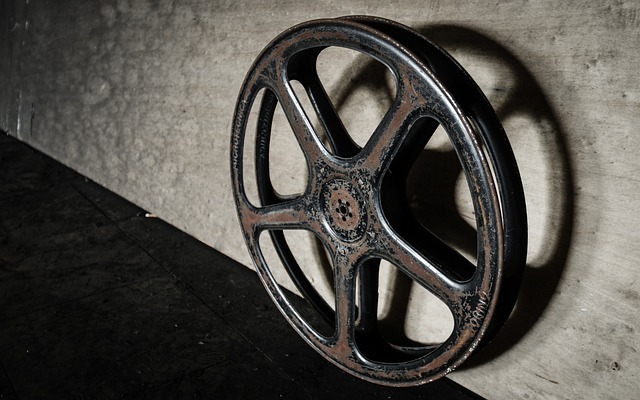
The digital revolution has profoundly transformed film distribution, significantly impacting theater availability and the very essence of movie theater experiences. The shift from traditional theatrical releases to streaming platforms has sparked lively debates among cinema enthusiasts, scholars, and industry professionals alike. This evolution, marked by the rise of streaming services, poses both challenges and opportunities for maintaining a robust network of physical movie theaters.
Historically, film distribution followed a linear path: production, theatrical release, home media, and finally, archival preservation. However, the advent of high-speed internet and consumer technology has disrupted this model. Streaming platforms now offer viewers instant access to an extensive library of films, challenging the traditional windowing system that once governed content availability. For instance, popular film festivals like Sundance have embraced digital distribution, expanding their global reach and allowing independent filmmakers to find audiences beyond regional boundaries. This shift reflects a broader trend where undergraduate film courses deconstructing film narratives now emphasize not only cinematic techniques but also the digital landscape shaping storytelling and audience engagement.
From a semiotic perspective, cinema studies curriculum has always acknowledged the power of visual language and its impact on cultural discourse. The digital revolution amplifies this by enabling filmmakers to experiment with new formats, styles, and distribution strategies. Co-production agreements have become more prevalent, fostering global collaborations that enrich cinematic tapestries. However, critics argue that the proliferation of streaming services may dilute the overall movie theater experience, as viewers can now indulge in a diverse range of content from the comfort of their homes. To counter this, cinema operators are leveraging digital technologies to enhance on-screen experiences through immersive sound systems, advanced projection technologies, and interactive elements, ensuring that physical movie theaters remain vibrant cultural hubs.
Actionable advice for filmmakers and distributors navigating this landscape includes diversifying content, fostering strategic partnerships, and engaging with audiences beyond traditional platforms. Film festivals can play a pivotal role by offering both physical and virtual screenings, thus appealing to diverse viewing preferences. Ultimately, the future of cinema lies in a harmonious coexistence between streaming services and physical movie theaters, where each strengthens the other through complementary distribution strategies and innovative storytelling approaches.
Balancing Act: Maximizing Reach with Minimal Impact on Local Movie Theaters

The balance between film distribution strategies and maintaining theater availability is a delicate act, particularly as the digital age ushers in new methods of content delivery. This challenge is paramount for independent movie theaters that aim to stay relevant while competing with on-demand streaming services offering convenient, home-based cinematic experiences. The key lies in understanding how strategic distribution can enhance reach without unduly impacting local theater attendance and fostering a sustainable film culture.
In the realm of modern cinema, the rise of digital platforms for film distribution has sparked debates reminiscent of postmodern film critique. As students of cinema and enthusiasts alike engage in discussions about immersive movie experiences, it becomes evident that both accessibility and the traditional theater experience must coexist harmoniously. For instance, platforms offering arthouse films direct to consumer (DTC) have gained traction, providing viewers with access to niche content. However, this shift towards digital-first distribution models raises questions about their potential to dilute the significance of local movie theaters.
Film editors and analysts play a crucial role in navigating these trends. By leveraging film editing software to create captivating narratives, they can ensure that cinema remains an art form worthy of theatrical presentation. Additionally, exploring HD projection and sound systems, as offered by our company, enables movie theater owners to deliver exceptional visual and auditory experiences, fostering a sense of community and appreciation for the big screen. For instance, data suggests that films with robust marketing campaigns targeting local audiences still perform well in theaters, proving that a balanced approach can maximize reach while preserving theater attendance. To ensure sustainability, film distributors should consider partnering with local cinemas to present exclusive events or limited-release screenings, thereby enhancing the theater’s appeal and offering viewers diverse cinematic experiences.
The article has explored the intricate relationship between film distribution strategies and their impact on movie theater availability. Key insights reveal that the digital revolution, marked by streaming services, has significantly altered traditional theater release models. To balance reach and local impact, distributors must carefully navigate various channels, considering both online streaming and strategic theatrical releases. By maximizing digital accessibility while preserving the unique experience of movie theaters, industry players can ensure a vibrant cinematic landscape naturally benefits all stakeholders—from filmmakers to viewers and, crucially, local theater owners. This balanced approach promises to revolutionize film distribution, fostering a sustainable and thriving entertainment sector.
About the Author