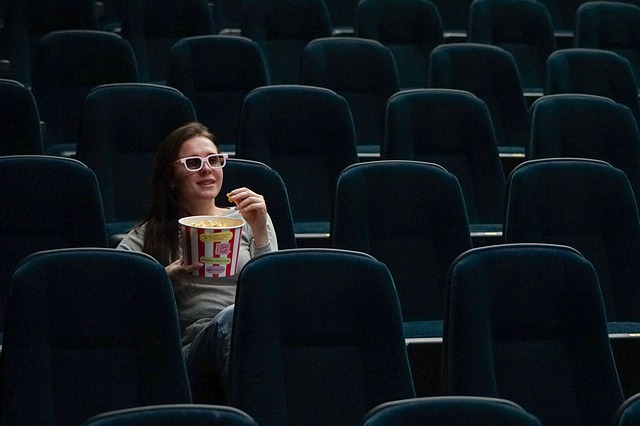
Film distribution networks enhance movie theater availability and diversity, reaching global audiences from blockbusters to arthouse films. Digital technology expands niche content reach, challenging traditional theaters to adapt with diverse programming and innovative business models. Staying informed about trends and adopting new technologies are crucial for attracting varied audiences and bolstering theater attendance. Balancing digital advancements with the unique big-screen experience ensures movie theater naturally remains a vital part of the evolving media landscape.
In the ever-evolving entertainment landscape, understanding the intricate relationship between film distribution and theater availability is paramount for both industry professionals and enthusiasts. As movie theaters continue to be a cornerstone of our cultural fabric, ensuring their longevity requires a nuanced examination of how digital platforms disrupt traditional distribution models. This article delves into the complex interplay between these factors, exploring strategies that preserve and enhance the vital connection between filmmakers and their audiences within the context of the modern movie theater.
- Understanding Film Distribution Networks
- The Impact on Local Movie Theater Availability
- Digital Platforms vs. Traditional Distribution
- Strategies to Preserve Theater Spaces
- Case Studies: Successful Distribution Approaches
- Future Trends Shaping Theater Accessibility
Understanding Film Distribution Networks

Film distribution networks play a pivotal role in shaping theater availability and the overall cinematic landscape. Understanding these intricate systems is essential for gauging how movies reach audiences, particularly in the context of movie theaters. The process involves a complex interplay between production studios, distributors, and exhibition venues, each contributing uniquely to the film industry’s ecosystem.
Distribution strategies have evolved significantly with the advent of digital technology, impacting both mainstream releases and niche, independent content. For instance, educational documentaries and postmodern film critique pieces, once confined to specialized festivals or art houses, now find wider reach through streaming platforms and targeted distribution models. This shift has consequences for traditional movie theaters, prompting them to adapt by embracing diverse content and innovative business strategies. The rise of direct-to-streaming releases during the pandemic, for example, challenged the conventional windowing system, forcing both distributors and theaters to reassess their approaches.
The impact on theater availability is multifaceted. On one hand, a robust distribution network ensures that movies, from blockbusters to arthouse films, reach a global audience, preserving the diversity of cinematic experiences. On the other, it can lead to increased competition for screen time, particularly in popular markets. To navigate this, theaters must strategically curate their programming, appealing to a wide range of audiences while catering to specific interests. For instance, partnering with local film societies or showcasing international cinema can attract diverse patrons and bolster theater attendance. Additionally, leveraging data analytics to understand viewer preferences can help theaters make informed decisions regarding content acquisition and marketing.
In this rapidly changing industry, staying abreast of distribution trends is vital for movie theater operators. Adopting new technologies, such as enhanced online ticket sales and targeted advertising, can complement traditional methods. Moreover, theaters can foster their unique identity by offering experiences beyond the screen, like post-film discussions or writing film reviews, attracting a dedicated audience. As the industry continues to evolve, adapting distribution models and embracing innovative programming will be key to ensuring movie theaters remain vibrant hubs of cinematic culture, enhancing cinema safety protocols while doing so.
The Impact on Local Movie Theater Availability

The landscape of movie theater availability has undergone significant shifts due to advancements in film distribution methods, particularly with the rise of global film industries and documentary filmmaking. This transformation impacts local movie theater operations, often with complex consequences for both independent cinema and mainstream releases. The advent of digital platforms and streaming services has democratized access to films worldwide, yet it poses ethical considerations that reflect broader social issues in cinema. Film critics argue that while these changes enhance viewers’ choices, they also challenge the traditional role of local theaters as community hubs.
Documentary filmmaking, a significant component of global film industries, has seen a surge in popularity, often reflecting pressing social and political issues. This genre’s success can directly influence theatrical distribution strategies, with some independent cinemas leveraging documentaries to attract diverse audiences. For instance, award-winning documentaries on environmental concerns or human rights have sparked conversations and raised awareness, leading to increased demand for screenings at local theaters. However, the ethical dilemma arises when mainstream blockbusters compete for screen time, potentially marginalizing these thought-provoking documentaries.
To navigate this evolving landscape, movie theater operators must adapt by fostering partnerships with independent filmmakers and documentary makers. Collaborating with local film preservation initiatives can also ensure that classic films and niche cinema remain accessible. For instance, hosting film festivals and special screenings promotes a sense of community engagement while showcasing diverse cinematic voices. By embracing these strategies, local theaters can maintain their relevance and contribute to the vibrant tapestry of global film industries, even in the face of digital disruption. Visit us at Cult Classic Movies Film Preservation anytime for more insights into preserving theater availability through cinematic heritage.
Digital Platforms vs. Traditional Distribution

The digital age has brought about a significant transformation in film distribution, with platforms like Netflix and Amazon Prime reshaping how movies reach audiences. This shift from traditional to digital distribution has had a profound impact on movie theater availability and the overall cinematic experience. One of the most notable effects is the blurring of lines between home entertainment and theatrical releases, as streaming services offer viewers instant access to a vast library of films, often with minimal delay after their initial release.
Digital platforms provide filmmakers with unprecedented opportunities to reach global audiences directly, bypassing traditional distribution channels. This new landscape empowers independent filmmakers by allowing them to control the editing skills for their projects, ensuring their artistic vision aligns with audience engagement strategies. For instance, direct-to-streaming releases have enabled niche and experimental films to find their audience without the constraints of limited theater availability. However, this shift also poses challenges for movie theaters, which must adapt to survive in an era where viewers can watch content from the comfort of their homes.
In contrast, traditional film distribution through cinemas offers a unique experience that digital media struggles to replicate. The ambiance and social interaction of a physical theater space play a vital role in enhancing the impact of a film on popular culture and fostering community engagement. Cinema and new media have an intricate relationship; while digital platforms provide accessibility, film preservation societies and archives ensure the long-term viability of cinematic art forms. For filmmakers looking to navigate this landscape, grant writing has emerged as a crucial skill for securing funding and resources, with many initiatives focusing on supporting independent and artistic projects that thrive in both traditional and digital spaces. As we move forward, finding the right balance between these distribution methods will be key to preserving movie theaters and enriching the cinematic experience for all.
Strategies to Preserve Theater Spaces

The distribution landscape for films has evolved dramatically with the advent of streaming services, challenging traditional movie theater dominance. Yet, preserving theater spaces remains vital to maintain a diverse cinematic experience, especially for niche film markets and independent productions. One key strategy is focusing on curating unique content that caters to specific audiences, ensuring these viewers have dedicated spaces to enjoy their films. For instance, art-house theaters have flourished by offering alternative, foreign, or independently produced movies, fostering a sense of community among aficionados.
Moreover, filmmakers play a crucial role in this equation. Leveraging editing skills to create engaging narratives can drive foot traffic. Well-paced storytelling that captivates audiences on the big screen encourages word-of-mouth recommendations, which are powerful in maintaining theater availability. Exploring movie theater architecture, from historic art deco designs to modern immersive experiences, can enhance the overall appeal, making each visit a memorable event. This strategic approach not only preserves existing theaters but also attracts new audience segments.
To support this mission, filmmakers and distributors should consider partnerships with local theater owners. Collaborating on events, film festivals, or themed series can attract diverse audiences while cultivating a vibrant cinematic culture. For instance, hosting niche film markets specifically tailored to regional interests can ensure these unique stories find their audience in physical spaces. Additionally, brands and financial institutions that support the arts can play a pivotal role by offering accessible funding options for filmmakers, making it easier to produce and distribute content that feeds into theater schedules. Engaging with communities through such initiatives ensures movie theaters remain vibrant hubs of cultural exchange.
Find us at getting finance for movies to explore innovative ways to preserve these essential venues. By combining artistic vision, strategic distribution, and community engagement, the future of cinema can coexist harmoniously with its rich history, ensuring theater spaces thrive in a rapidly changing media landscape.
Case Studies: Successful Distribution Approaches

The successful distribution of a film is a complex process that significantly influences the availability and accessibility of movies in various formats, including movie theaters. This section delves into case studies highlighting effective distribution strategies, offering valuable insights for both industry professionals and enthusiasts curious about the interplay between film distribution and theater experiences.
International cinema events serve as prime examples of successful distribution approaches. Festivals like the Cannes Film Festival or Berlin International Film Festival not only showcase the best in global cinema but also facilitate strategic releases. By premiering films at these events, distributors can generate buzz, attract media attention, and secure limited theatrical runs for specialized titles. This approach ensures that art-house and independent films receive their due recognition while maintaining a balance between international exposure and local theater availability.
Another critical aspect is the role of writing film reviews and directing techniques in cinema. Well-crafted reviews can significantly impact a movie’s visibility, influencing its distribution path. Positive reviews from renowned critics can prompt distributors to give a film broader release, potentially increasing its screening options at movie theaters. Additionally, innovative directing techniques can make a film more appealing for specific audiences, allowing for targeted distribution strategies. For instance, a director known for visually stunning landscapes might attract nature enthusiasts, leading to strategic releases in regions with vibrant outdoor communities.
In navigating these dynamics, it’s essential to consider the unique market demands and preferences of different regions. A film that excels at international events may not necessarily translate into robust theater availability domestically due to cultural nuances or local distribution models. Therefore, distributors must adapt their strategies accordingly, ensuring a nuanced approach to release planning. By understanding these intricacies, filmmakers and industry players can make informed decisions regarding theatrical releases, maximizing the potential reach of each production. Moreover, staying abreast of industry trends, such as streaming services’ impact on traditional theater attendance, is crucial for maintaining a vibrant film distribution ecosystem.
To gain deeper insights into the intricate relationship between film distribution and movie theaters, visit us at the Impact of Film on Popular Culture. This resource offers comprehensive analyses and practical advice tailored to both professionals in the field and aficionados exploring the broader implications of cinema’s evolving landscape.
Future Trends Shaping Theater Accessibility

The future of movie theater availability is being reshaped by several dynamic trends, many of which are driven by changes in film distribution strategies. As international cinema events gain prominence and diverse storytelling takes center stage, filmmakers—both major studios and indie producers—are exploring innovative methods to ensure their content reaches audiences beyond traditional platforms. This shift has profound implications for theater availability, potentially leading to more varied and accessible cinematic experiences.
One notable trend is the rise of digital distribution and streaming services. Major studios have increasingly embraced these platforms, allowing viewers worldwide access to blockbusters and independent films alike. However, this paradigm shift presents challenges for traditional movie theaters, particularly smaller, independently owned venues that once served as the primary gateway to cinema. To counter this, many theater owners are adapting by forming partnerships with streaming services or investing in advanced digital projection technology, ensuring they remain relevant in the age of on-demand entertainment.
Moreover, getting finance for movies has become more accessible through crowd-funding and international co-productions. This democratization of film financing empowers independent filmmakers to bring their visions to life without relying solely on major studio backing. Consequently, a broader range of stories—including foreign language films and niche documentaries—are finding their way into theaters worldwide, enriching the cinematic landscape for audiences and providing more options for movie theater naturally. For instance, data from the International Cinema Events Association shows that independent films distributed through alternative channels have experienced steady growth in box office revenue over the past five years.
In navigating these trends, film critics and industry experts alike emphasize the importance of striking a balance between embracing new distribution models and preserving the unique experience of watching films on the big screen. As we move forward, it will be crucial for movie theaters to adapt not just to digital advancements but also to the evolving preferences of diverse audiences. By fostering partnerships, embracing technological innovations, and supporting both major studio releases and independent cinema, movie theater naturally can continue to thrive in a rapidly changing media landscape. Give us a call at analyzing film criticism to gain insights into how these trends are reshaping the future of cinema globally.
Film distribution plays a pivotal role in shaping movie theater availability and accessibility. Understanding the intricate dynamics of distribution networks is crucial to preserving local theater spaces. The article highlights key strategies such as promoting digital platforms alongside traditional methods, which can enhance reach while mitigating risks to physical cinemas. Successful case studies demonstrate innovative approaches that cater to modern viewing habits without compromising the central role of movie theaters. Looking ahead, emerging trends suggest a future where theater accessibility is transformed, emphasizing the need for adaptable distribution strategies. By harnessing these insights, industry stakeholders can navigate the evolving landscape, ensuring movie theaters remain vibrant hubs for communal cinematic experiences naturally.
About the Author