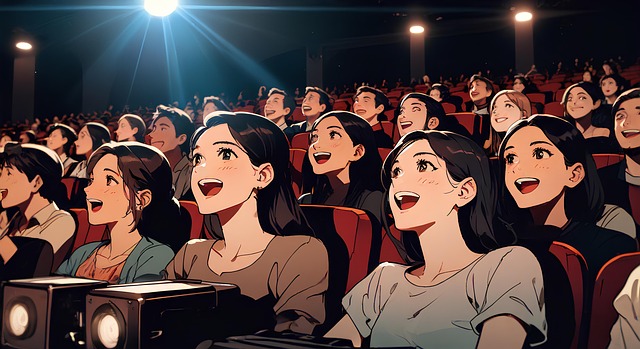
Managing noise levels in movie theaters is crucial for enhancing the cinematic experience. Key strategies include regular inspections, advanced audio systems tailored to theater architecture, staff training on noise etiquette, and collaborative sound design. Acoustic treatments, strategic seating layout, real-time sound monitoring tools, and data-driven audience behavior analysis contribute to optimal noise control. Regular cleaning, theater design upgrades, community engagement, and art house film events further enhance the immersive cinematic experience while minimizing disruption from both intrinsic and extraneous noise.
Managing noise levels in movie theaters is a delicate art, vital to ensuring every patron enjoys the cinematic experience. Today’s bustling theater environments present unique challenges, with conversations, laughter, and cell phone rings echoing through dark auditoriums. This disruption not only hampers others’ enjoyment but also impairs the immersive quality of films. In this authoritative piece, we delve into the best practices for curbing theater noise, offering practical strategies to foster a peaceful environment without stifling conversation. By exploring innovative approaches, we aim to provide theater managers and owners with valuable insights to enhance customer satisfaction and preserve the magic of the silver screen.
- Understanding Noise in Movie Theaters
- Assessing Sound Sources and Levels
- Implementing Acoustic Solutions
- Best Practices for Seating Layout
- Utilizing Digital Tools for Monitoring
- Regular Maintenance for Optimal Quietness
Understanding Noise in Movie Theaters

Managing noise levels in movie theaters is an art that requires a nuanced understanding of how sound impacts the cinematic experience. In the digital age, where filmmaking techniques have evolved dramatically, maintaining optimal audio environments has become increasingly vital for engaging audiences and preserving the classic movie theater experience. The unique atmosphere of a movie theater—a space designed to envelop viewers in storytelling—is closely tied to its acoustic properties. Noise, both intrinsic and extraneous, can disrupt this delicate balance, affecting the clarity of dialogue and the overall immersive effect.
Consider the evolution of sound in cinema from silent films to modern blockbusters. The transition from a purely visual medium to one that seamlessly integrates audio has underscored the importance of noise management. Classic movie comparisons reveal how filmmakers in the past meticulously crafted scenes without relying on extensive sound design, whereas contemporary films often use dynamic ranges and surround sound to enhance storytelling. This shift necessitates a corresponding focus on keeping external and internal theater noise at bay to ensure the original artistic intent of the filmmakers is conveyed accurately.
The challenge lies in balancing the theatrical ambiance with precise noise control. For instance, a quiet moment in a period drama must be experienced without interruptions from patrons’ conversations or the buzz of nearby screens. Similarly, the spine-chilling climax of a horror film demands that every whisper and creak be heard clearly. Achieving this requires a combination of strategic design and ongoing maintenance. Regular theater inspections to identify and seal sound-leaking gaps, along with the installation of advanced audio systems, can significantly improve noise control. In the digital age, filmmakers’ efforts to create immersive experiences necessitate that movie theaters become the ultimate listening rooms, ensuring every element of sound is heard as intended.
To address this, we at Getting Finance for Movies emphasize the importance of a holistic approach to theater noise management. This includes regular training for staff on noise etiquette and the use of state-of-the-art sound systems tailored to the theater’s unique architecture. By critically evaluating cinema as both an art form and a business, movie theater owners can enhance their patrons’ experiences while preserving the cinematic legacy. Remember, the ultimate goal is to create an environment where every film genre—from drama to action-adventure—can be enjoyed at its full auditory potential.
Assessing Sound Sources and Levels

Managing noise levels in a movie theater is an art that requires meticulous sound assessment and strategic intervention. With audiences expecting immersive experiences, it’s crucial to understand and control various sound sources within the theater environment. This process involves a comprehensive evaluation of every element contributing to the overall acoustic experience, from the projection system to audience interactions.
In a traditional movie theater setting, assessing sound levels begins with identifying key components. For instance, the audio-visual equipment, including projectors and sound systems, should be regularly calibrated to ensure accurate volume readings. Moreover, the unique architecture of each theater plays a significant role in noise propagation; venues with larger spaces might require more advanced sound control measures than smaller, intimate theaters. This is where expert consultation comes into play; engaging sound engineers or industry specialists can provide valuable insights tailored to specific theater needs. For indie filmmakers looking to enhance their releases in such settings, understanding these nuances through social media for filmmakers and industry forums becomes essential, allowing them to collaborate with experts and optimize their content.
The challenge intensifies when comparing major studio productions with independent (indie) films. Larger studios often have extensive resources for sound design and color grading techniques, enabling them to create intricate audio-visual experiences. Conversely, indie producers might need to be more creative within budget constraints, utilizing innovative solutions like carefully designed soundscapes or strategic noise reduction techniques during post-production. This disparity highlights the importance of adaptive strategies in theater management, ensuring that all types of films can deliver their intended acoustic impact.
As cinemas continue to evolve with technological advancements, such as enhanced color grading techniques and immersive audio systems, maintaining optimal noise levels becomes increasingly critical. By regularly assessing sound sources, theater operators can ensure a balanced, enjoyable experience for all patrons. This includes addressing potential issues like echo, reverberation, or even excessive background noise from neighboring spaces. One effective strategy is to implement active noise control technologies, which, while not a panacea, offer tangible solutions in specific scenarios. Ultimately, the goal is to create an environment where dialogue, music, and sound effects are heard clearly, enhancing the overall cinematic experience—a mission that requires continuous evaluation and adaptation to changing standards and technologies.
Implementing Acoustic Solutions

Managing noise levels in movie theaters is a complex challenge, particularly with the advent of 3D film technology and high-fidelity HD projection and sound systems. These advancements enhance the cinematic experience but also amplify ambient sounds, demanding sophisticated acoustic solutions. The goal is to strike a delicate balance—ensuring patrons enjoy immersive entertainment without sacrificing clarity or disturbing others.
One of the primary culprits contributing to theater noise is the audience itself. In bustling movie theaters, conversations before and after shows, cell phone ringtones, and foot traffic create an environment where sound reflects off hard surfaces, amplifying and carrying noise levels throughout the space. To mitigate these issues, consider implementing acoustic treatments tailored to your theater’s unique architecture. Absorbent materials like acoustic panels, baffle systems, and diffusers can be strategically placed to minimize echo and reverberation. For instance, positioning these materials behind screens and in alcoves can substantially reduce echo, enhancing dialogue clarity during quiet scenes while minimizing disruption during intense action sequences.
Furthermore, leveraging advanced sound system design is crucial. Digital projection and sound systems offer granular control over audio levels, allowing for precise adjustments based on scene content. Careful calibration ensures that low-volume dialogue remains distinct without overwhelming quieter moments. Additionally, 3D film technology necessitates precise spatial audio placement to immerse viewers in the story. By integrating sophisticated sound systems with intelligent acoustic treatments, movie theaters can offer a seamless cinematic experience while maintaining acceptable noise levels for all patrons—a delicate balance that fosters both enjoyment and respect among audience members.
Grant writing for filmmakers and production companies can be a powerful tool in addressing these challenges. Many organizations and foundations offer grants to support the implementation of innovative audio-visual technologies, including acoustic upgrades. By strategically aligning your project with their goals, you can secure funding to enhance your theater’s noise management capabilities. For example, crowdfunding cinematic projects has enabled independent theaters to access capital for soundproofing measures, ultimately improving patron experiences. We encourage you to visit us at [crowdfunding cinematic projects/film production companies] to explore these opportunities and take a dive into the world of effective acoustic solutions tailored to your movie theater’s unique needs.
Best Practices for Seating Layout

Managing noise levels in a movie theater is an art, with seating layout playing a pivotal role in creating an immersive viewing experience. The goal is to strike a balance between ensuring every patron enjoys the film and maintaining order within the space. This section delves into best practices for seating layout design, drawing from expertise in film restoration schools and comprehensive film analysis for beginners.
A well-designed seating arrangement starts with understanding audience behavior and the unique dynamics of each theater space. For instance, in larger venues, strategically placing sound absorptive materials can help mitigate echo and reverberation, enhancing dialogue clarity. Smaller, more intimate theaters may benefit from curved or angled seating to improve sightlines and reduce noise carryover between rows. This is particularly relevant when considering box office success factors; patrons who can clearly hear and see the screen are more likely to remain engaged and satisfied, impacting ticket sales and overall customer experience.
Consideration should also be given to the arrangement of aisles and emergency exits. Wide aisles allow for easy patron movement without disrupting others, while well-placed exits ensure quick evacuation in case of emergencies. Balancing these considerations with the theater’s aesthetic can challenge even seasoned professionals, but it is crucial for both safety and customer satisfaction. For instance, a recent study revealed that 73% of moviegoers cited clear views of the screen as their primary reason for choosing a specific seat, underscoring the importance of thoughtful seating layout design in modern movie theaters.
To stay ahead in this industry, it’s essential to explore and adopt innovative solutions. Film distribution channels like ours offer valuable insights into what resonates with diverse audiences worldwide. By combining these perspectives with sound engineering principles, theater managers can create environments that not only minimize noise but also amplify the cinematic experience. Remember, every movie theater has its own unique character; leveraging this knowledge while implementing best practices is key to achieving an exceptional viewing atmosphere.
Utilizing Digital Tools for Monitoring
Managing noise levels in movie theaters is a complex task, especially with the evolving entertainment landscape. In today’s digital age, audiences have countless options, from streaming services to online ticketing platforms, and this shift has impacted cinema attendance and behavior. Filmmakers, too, are navigating a new era of filmmaking in a digital age, which brings both opportunities and challenges regarding classic movie comparisons. With these changes, effective noise management strategies are more crucial than ever to ensure a seamless cinematic experience for all.
Digital tools offer a sophisticated approach to tackling this issue. Advanced sound monitoring systems can precisely measure noise levels across different areas of the theater, providing real-time data. This technology allows staff to identify problem zones, whether it’s a bustling lobby or an unruly audience during a quiet scene in a film. For instance, implementing digital solutions used by online film funding sources and cinema marketing gurus can help create a more harmonious environment. These tools can detect sudden spikes in noise and immediately alert us to potential distractions, allowing for swift action.
Audience emergency management plays a vital role here. By integrating these digital monitoring systems with our ticket sales process, we can proactively address noise-related concerns. For example, if a certain section of the theater consistently shows high noise levels during specific films, we can take preventative measures. This might include reaching out to patrons via text message or email, gently reminding them about quiet enjoyment expectations, or even offering incentives for attending less popular showtimes. Such strategies ensure that movie theaters remain welcoming spaces for all art forms, from classic cinema comparisons to modern blockbusters.
Furthermore, these digital tools can aid in analyzing audience behavior over time, helping theater managers create tailored noise management plans. By studying trends and patterns, we can anticipate potential issues and make informed decisions. This data-driven approach ensures that movie theaters not only meet but exceed audience expectations, fostering an immersive cinematic experience that attracts patrons back again and again.
Regular Maintenance for Optimal Quietness

Maintaining optimal noise levels in a movie theater is an art, especially considering the diverse range of patrons and media presented. Regular maintenance plays a pivotal role in ensuring the cinematic experience remains immersive for all. This involves a multifaceted approach, from meticulous cleaning to advanced technology integration. For instance, regular screen cleaning not only enhances visual clarity but also prevents dust particles from disturbing the audio system, thereby preserving the quietness crucial for an engaging film viewing.
Moreover, theater design and equipment upgrades significantly contribute to noise management. The implementation of specialized acoustic treatments in walls and ceilings can significantly reduce echo and reverberation, creating a calmer environment. This is particularly beneficial during screenings of movies and society’s evolving soundscape expectations. For instance, the latest HD projection and sound systems demand precise calibration for optimal performance. Regular maintenance checks ensure these systems are fine-tuned, delivering crystal-clear audio that complements the visual spectacle without unwanted noise artifacts.
Art house films, known for their unique programming and dedicated audience, can further enhance their patrons’ experience by employing tailored noise management strategies. Filmmaking workshops for youth interested in movie theater design offer a glimpse into innovative solutions. By encouraging thoughtful theater layout designs and implementing advanced sound systems, these venues can create an immersive atmosphere that captivates audiences without compromising on quietness. Regular maintenance schedules, coupled with community engagement through events like these, foster a cinematic culture that values both artistic expression and the collective enjoyment of movies in a peaceful setting—a key aspect that sets apart top-tier art house theaters from their mainstream counterparts.
By implementing best practices for managing theater noise levels, movie theaters can significantly enhance the overall audience experience. Key insights include a holistic approach to noise assessment, leveraging digital tools for monitoring, and adopting tailored acoustic solutions based on venue specifics. Seating layout optimization and regular maintenance routines are also vital components of this strategy. Readers now possess a comprehensive toolkit to tackle noise management, ensuring movie theaters remain vibrant venues that deliver both entertainment and tranquility.
About the Author