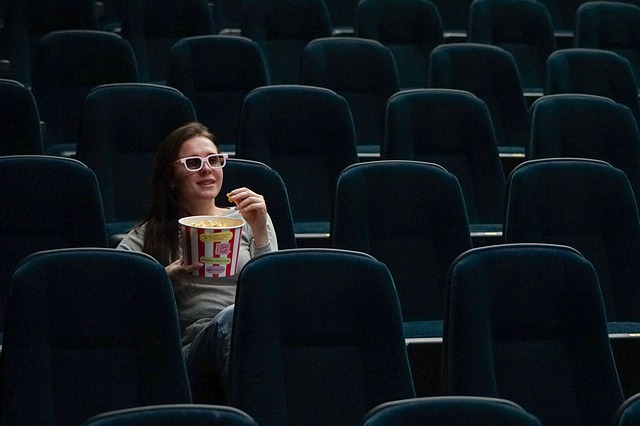
A movie theater's sound system goes beyond volume to immerse audiences in films. This involves technical expertise, understanding cinematic audio trends, and addressing social issues in film criticism. Key elements include surround sound systems like Dolby Atmos for spatial awareness, co-production agreements setting standards, precise engineering for subtleties, balanced content for diverse appeals, strategic speaker placement, high-fidelity amplifiers, and immersive audio techniques. Regular calibration ensures optimal quality. These elements combine to offer immersive experiences that enhance storytelling and foster audience engagement.
The audio experience is a pivotal yet often overlooked component of the cinematic journey. In today’s high-definition visual landscape, optimizing the ideal sound system for a cinema remains an art. Movie theaters, as cultural hubs, demand immersive audio that transcends the ordinary, captivating audiences and elevating storytelling to its fullest potential. This article delves into the intricacies of designing such systems, exploring advanced technologies and practical considerations to ensure every film moment resonates vividly within the theater space. Prepare to uncover a comprehensive guide tailored for both industry professionals and enthusiasts eager to transform their cinematic realm.
- Understanding Cinematic Audio Requirements
- Selecting Speakers for Optimal Sound Experience
- The Role of Amplifiers in Movie Theater Systems
- Implementing Surround Sound for Immersion
- Calibration and Optimization Techniques for Cinema Audio
Understanding Cinematic Audio Requirements

The ideal sound system for a cinema goes beyond mere volume; it must immerse audiences in the narrative, evoking emotions and enhancing the overall cinematic experience. Movie theaters, as venues for storytelling, require audio solutions that accurately represent the artist’s vision. This involves not just technical specifications but also an understanding of cinematic audio trends, social issues in film criticism, and the evolving cinema studies curriculum. Curating film programs effectively necessitates a thoughtful approach to sound design, one that resonates with modern audiences while catering to the diverse tastes within global film industries.
Cinematic audio requirements are multifaceted. For instance, surround sound systems offer a 360-degree envelopment, transporting viewers into the scene. Dolby Atmos, a leading technology in this regard, enables individual speaker control and object-based audio, allowing sounds to originate from specific places on screen. This not only improves spatial awareness but also enhances dialogue clarity, crucial for audience engagement. Additionally, the co-production agreements between studios and independent filmmakers play a significant role in dictating audio standards, as they often set benchmarks for sound quality to ensure a cohesive cinematic experience across different platforms.
However, the ideal sound system must also address contemporary social issues in cinema film criticism. Today’s audiences are more attuned to subtle nuances in audio—the subtle rustle of leaves in a forest scene or the quietest whisper carrying emotional weight. This calls for precise audio engineering and mixing techniques that capture these subtleties without overwhelming other elements on screen. Furthermore, curating film programs requires striking a balance between classic cinematic masterpieces and contemporary releases, each with its own acoustic expectations. As previously mentioned, considering diverse global film industries in the sound design process ensures inclusivity and broadens the appeal of movie theaters as cultural hubs.
To meet these requirements, cinema owners and operators must invest in high-quality audio equipment and regularly calibrate their systems to ensure consistency. Collaboration with expert sound designers and engineers can provide valuable insights into curating film programs that resonate with modern audiences. Remember that the ideal sound system is not merely a technical specification but an art form that fosters emotional connections, enhances storytelling, and reflects the dynamic nature of global film industries. For actionable advice, consider consulting industry leaders like those found in the documentary filmmaking landscape, which has pioneered innovative audio techniques that can be adapted to enhance movie theater experiences worldwide.
Selecting Speakers for Optimal Sound Experience
Selecting the appropriate speakers is a critical aspect of creating an optimal sound experience for any movie theater, particularly as 3D film technology continues to evolve. In modern cinema, the focus on immersive visual storytelling necessitates a correspondingly rich aural landscape. This involves not just the choice of speakers but also their strategic placement to enhance the narrative arc and emotional resonance of each scene. For instance, surround sound systems with precise localization can transport viewers into the action, whether it’s the roar of an engine in an action sequence or the subtle whispers in a dramatic moment—all crucial elements of analyzing visual storytelling effectively.
In independent cinema, where ethical considerations often guide artistic choices, speaker selection becomes even more significant. The ambiance and atmosphere created by sound can dramatically impact how viewers perceive and interpret a film. Well-designed audio systems allow filmmakers to control the pace and intensity of moments, ensuring that every element—from ambient noise to diegetic sounds and music—serves the narrative. This includes the subtleties that independent documentarians might rely on to convey real-world experiences authentically. By carefully curating the sound landscape, cinema venues can foster deeper engagement with the content, whether it’s a heart-pounding thriller or an intimate character study.
When configuring a movie theater’s sound system, venue managers must consider the room’s acoustics and dimensions. Different speaker types—from main speakers to subwoofers and surround channels—have specific roles in replicating the cinematic experience. For larger theaters, powerful, high-resolution speakers capable of handling substantial volumes without distorting are essential. In contrast, smaller art house cinemas might opt for more subtle, precision-tuned systems that prioritize clarity over sheer power. Data suggests that audiences appreciate a balanced sound system that delivers clear dialogue and impactful effects equally. This balance ensures that viewers can enjoy both the narrative depth and technical prowess of each film presented, fostering a truly memorable cinematic experience.
For those looking to revolutionize their cinema’s audio capabilities, exploring innovative speaker technologies and attending international cinema events (find us there for insights into the latest trends) can provide valuable inspiration. By staying informed about advancements in 3D film technology and adapting sound system configurations accordingly, movie theaters can keep pace with evolving audience expectations. Ultimately, the ideal sound system is one that disappears into the background, allowing the story and visuals to take center stage while delivering an immersive experience that resonates long after the credits roll.
The Role of Amplifiers in Movie Theater Systems

In any movie theater, the role of an amplifier is pivotal to achieving a truly immersive cinematic experience. These components form the backbone of the sound system, ensuring that every dialogue, score, and special effect reaches audiences with clarity and power. When analyzing the ideal sound system for a cinema—particularly from a film analysis for beginners perspective—the importance of high-quality amplifiers cannot be overstated. They are responsible for amplifying audio signals from various sources, such as projectors and playback devices, to drive speakers effectively. This is crucial in creating an atmosphere that transports viewers into the world of visual storytelling, where every sound contributes to the overall narrative.
For movie theater operators, selecting the right amplifier is a key consideration. High-fidelity audio reproduction is essential for engaging audiences, especially when analyzing film adaptations or enjoying visual media. Advanced amplifiers with built-in processing capabilities can improve sound quality by compensating for room acoustics and ensuring consistent volume levels throughout the theater. This is particularly important in larger venues where maintaining dialogue clarity during quiet scenes, such as intimate conversations between characters, becomes a challenge. Additionally, modern digital audio technologies, like Dolby Atmos or DTS:X, require robust amplification to deliver their full potential, enhancing the overall concessions in cinemas for a more captivating experience.
When comparing different brands and models, cinema owners should look for features that support dynamic range, frequency response, and channel separation. High-end amplifiers often offer sophisticated controls for fine-tuning audio performance, ensuring that every seat in the house enjoys an exceptional listening experience. Moreover, as technology advances, considering future-proofing your sound system by choosing versatile amplifiers compatible with emerging audio formats can extend the life of your equipment. For instance, giving us a call at [Brand Name] can offer expert advice tailored to your specific movie theater needs, ensuring you stay ahead in this ever-evolving industry, where every detail, from visual storytelling to concessions, plays a role in delivering an unforgettable cinematic experience.
Implementing Surround Sound for Immersion

Surround sound is a cornerstone of the cinematic experience, transforming movie theaters from passive viewing spaces into immersive environments where audiences become fully engaged with the story. For cinema owners, selecting the ideal sound system involves striking a delicate balance between technological advancements and audience expectations. In today’s theatrical landscape, where classic movie comparisons with digital age filmmaking are commonplace, keeping up with evolving distribution models and audience emergency management has never been more crucial.
The goal is to create an auditory experience that enhances every element of the film—from subtle ambient sounds to thunderous action sequences. A well-implemented surround sound system not only amplifies these moments but also encourages audiences to become active participants, allowing them to anticipate and react to visual cues. For instance, a meticulously crafted surround sound mix can transport viewers into the bustling streets of a period drama or the vast expanse of an extraterrestrial landscape, fostering a sense of presence that traditional stereo systems cannot match.
To achieve this level of immersion, cinema owners should consider the latest advancements in audio technology, such as Dolby Atmos and DTS:X, which offer unparalleled spatial awareness. These systems utilize multiple speakers strategically placed throughout the theater to create a 3D soundscape that moves with the action on screen. By investing in such technology, movie theater operators can differentiate their facilities, attracting patrons seeking a more immersive cinematic experience. Moreover, as audience preferences evolve and ticket sales remain competitive, prioritizing exceptional audio quality—and by extension, surround sound—can be a strategic move to enhance customer satisfaction and encourage repeat visits.
In the realm of cinema studies and co-production agreements, understanding the role of surround sound in storytelling is paramount. Embracing these technological advancements not only keeps theaters relevant but also opens avenues for collaboration with filmmakers who seek to push the boundaries of digital distribution models. Give us a call at [co-production agreements/cinema studies curriculum] to explore how you can integrate immersive audio into your cinematic vision, ensuring that your audience experiences movies in ways never before imagined.
Calibration and Optimization Techniques for Cinema Audio
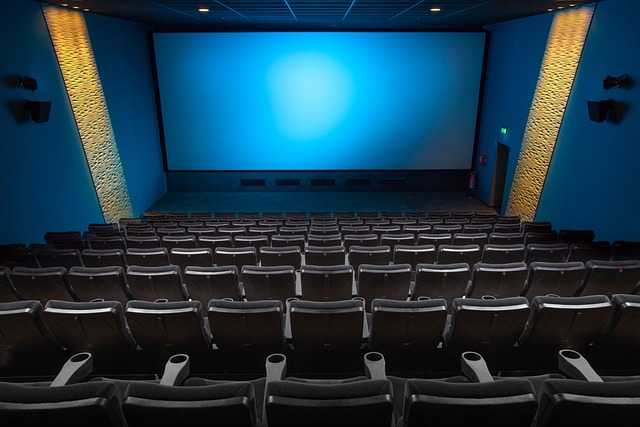
In the world of cinema, achieving an immersive audio experience is paramount to captivating audiences and enhancing storytelling. Movie theaters naturally serve as platforms for showcasing the artistic prowess behind film, from stunning visuals to heart-pounding soundscapes. Calibration and optimization techniques play a pivotal role in ensuring that every flickering frame and delicate sound is delivered with precision, creating an environment where viewers become fully engrossed in the narrative. This process involves meticulous fine-tuning of the sound system to match the unique requirements of each film, from action-packed blockbusters to intimate educational documentaries.
Behind-the-scenes of filmmaking, audio engineers often employ advanced calibration methods to optimize the theater’s acoustics and speaker placement. One common technique is time alignment, which ensures that sound reaches every corner of the auditorium at the same moment, eradicating any delays or phase issues. This meticulous process involves measuring and adjusting speaker delays to synchronize with the movie’s audio track, especially during fast-paced scenes or complex surround sound configurations. For example, a theater equipped with state-of-the-art calibration tools can achieve seamless integration of on-screen action with corresponding sound effects, making viewers feel like they’re part of the scene.
Additionally, frequency response equalization is crucial for balancing the audio spectrum and ensuring that every frequency range, from deep bass to crisp highs, is audible and clear. This involves carefully adjusting the speakers’ frequencies to compensate for the natural acoustics of the theater space. For movie theaters showing classic films or restoring old movies, this process becomes even more critical. Older films might have audio with different specifications, so precise equalization ensures that these timeless tales are presented with the utmost authenticity. By implementing such techniques, cinema owners can provide audiences with an unparalleled listening experience, fostering a deeper connection to the cinematic art form.
To truly excel in cinema audio, regular system checks and adjustments are essential. Theater managers should consider periodic sound optimization sessions, especially when introducing new content or updating equipment. This proactive approach ensures that each movie, whether it’s an educational documentary or the latest blockbuster, receives the attention it deserves in terms of audio quality. By embracing these calibration and optimization techniques, movie theaters can offer audiences a truly immersive experience, leaving them eager to return for more cinematic wonders—a testament to the power of sound in storytelling. For those seeking expert guidance on optimizing their cinema’s audio capabilities, cinema marketing strategies provide an excellent starting point with valuable insights tailored for this industry.
By meticulously understanding cinematic audio requirements and implementing tailored sound system components, movie theater operators can significantly enhance the viewer experience. Selecting high-quality speakers optimized for immersive audio, coupled with robust amplifiers, forms the bedrock of a superior cinema sound system. Adopting surround sound techniques allows for a fully enveloping atmosphere, transporting audiences into the narrative. Calibration and optimization are crucial steps to ensure the audio accurately represents the filmmaker’s vision, providing a balanced and dynamic listening experience throughout every movie presentation. These strategies, as outlined in this authoritative article, empower theater managers to create an engaging, state-of-the-art acoustic environment for all moviegoers.
About the Author