Studying film theory explores the symbiotic relationship between movies and society, focusing on theatrical distribution models from traditional chains to streaming platforms. It equips critics with tools to analyze cinematic merits, encouraging questioning of narratives and media representation. For filmmakers, it offers insights into storytelling approaches. Movie theaters, as key spaces for storytelling, are integral to these discussions.
The evolution of movie theater criticism mirrors cinema's growth: from technical aspects in silent films to visual-auditory elements with sound; narrative structures and cultural impact during the Golden Age; and diverse theoretical frameworks challenging mainstream perspectives. Digital media expands criticism to documentary filmmaking.
Deconstructing cinematic language is crucial for both creation and analysis, utilizing tools like camera angles, lighting, and editing. Practical application involves pausing to consider filmmaker choices during viewing. Research combines academic databases, digital marketplaces, and market data, with analysis techniques like close readings and comparative studies. Primary sources, audience reactions, and contextual analysis are essential.
Studying film theory enhances critical thinking skills, deepens movie theater experiences, and broadens appreciation for international storytelling techniques. Technological advancements highlight the importance of practical critical analysis in enhancing global cinematic experiences.
In today’s digital age, the study of film theory and criticism has gained unprecedented importance as we navigate an ever-evolving cinematic landscape. The movie theater, once a haven for traditional storytelling, now coexists with streaming platforms, challenging our understanding of film’s role in society. This comprehensive guide aims to equip readers with the tools necessary to explore the intricate world of film theory, offering a deep dive into critical methodologies and historical contexts. By providing a structured approach to studying cinema, we empower individuals to analyze, interpret, and appreciate films on a whole new level, fostering a richer cinematic experience both inside and outside the movie theater.
- Discovering Film Theory: Unlocking Critical Thinking
- Historical Overview: Evolution of Movie Theater Criticism
- Key Concepts: Deconstructing Cinematic Language
- Methodology: Research and Analysis Techniques
- Practical Application: Critiquing Real-World Movies
Discovering Film Theory: Unlocking Critical Thinking
Studying film theory involves delving into the intricate relationship between movies and society while exploring the architectural wonders of movie theaters themselves. These spaces, designed to facilitate storytelling on the big screen, have evolved significantly over time, shaping both our viewing experiences and critical thinking about cinema. Understanding theatrical distribution models – from traditional theater chains to modern streaming platforms – is crucial for comprehending how films reach audiences and influence culture globally.
Film theory serves as a lens through which we can analyze not just the artistic merits of movies but also their social, cultural, and political implications. By studying various schools of thought, from formalism to deconstruction, students learn to dissect cinematic narratives, unearthing layers of symbolism, subtext, and hidden meanings. For instance, exploring the works of directors like Alfred Hitchcock or David Lynch can illuminate how cinematography, editing, and sound design contribute to building suspense or creating surrealistic atmospheres that challenge viewers’ perceptions.
Engaging with film theory enhances our ability to critique not just individual films but also the medium as a whole. It encourages us to question dominant narratives, examine power dynamics within storytelling, and consider the ethical implications of media representation. For filmmakers looking to elevate their craft, immersing oneself in these theoretical frameworks can provide invaluable insights. By understanding how different theories shape cinematic expression, creators can make conscious decisions about their storytelling approaches. Give us a call at social media for filmmakers seeking guidance and inspiration as they navigate this rich and complex landscape.
Historical Overview: Evolution of Movie Theater Criticism
The evolution of movie theater criticism is a fascinating journey that mirrors the very growth of cinema itself. From its nascent stages as a spectacle to its current status as a complex art form, the way we critique films has undergone a profound transformation. The roots of movie theater criticism can be traced back to the late 19th and early 20th centuries when silent films captivated audiences worldwide. Early critics focused on the technical aspects of filmmaking, such as editing, lighting, and set design, often using a close reading of films to interpret their symbolic meanings.
As sound was introduced to movies in the 1930s, criticism evolved to encompass the interplay between visual and auditory elements. The Golden Age of Hollywood saw the rise of influential critics who not only analyzed films’ narrative structures but also explored their cultural impact. This period marked a significant shift towards a more holistic understanding of cinema as an art and entertainment medium. Fire safety in theaters became a paramount concern, influencing design and presentation methods to ensure safe viewing experiences for audiences.
The mid-20th century witnessed the emergence of theoretical frameworks that shaped film criticism further. The French New Wave movement, led by critics like André Bazin and François Truffaut, advocated for a more personal and subjective approach, emphasizing the director’s vision. This era also saw the rise of feminist and racial critical theories, which challenged mainstream perspectives and encouraged a deeper exploration of marginalized voices in cinema. Today, with the advent of digital media and streaming services, criticism has expanded to include analysis of documentary filmmaking, where impactful storytelling can shed light on contemporary issues through close reading of visual narratives. For an in-depth dive into cinematic history and critical analysis, give us a call at cinema history.
Key Concepts: Deconstructing Cinematic Language
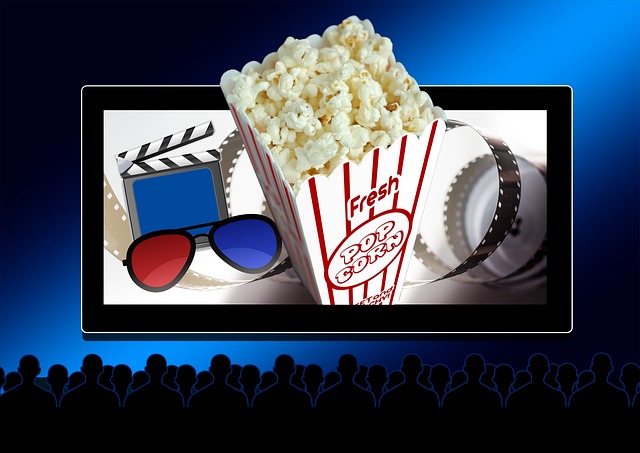
Deconstructing Cinematic Language is a cornerstone of studying film theory and criticism. This process involves breaking down the components that constitute a movie, examining their functions, and interpreting their meanings. In the movie theater, filmmakers use various elements such as camera angles, lighting, sound, and editing to tell stories visually. Understanding these tools and their effects is crucial for both creating and analyzing films. For instance, a low-angle shot can make a character seem powerful and dominant, while a high-angle shot may convey vulnerability or insignificance.
Film critics often engage in deconstruction to explore how social issues are represented on screen. Classic movie comparisons offer valuable insights into the evolution of filmmaking techniques and narrative styles over time. For example, comparing a silent film era masterpiece like Metropolis (1927) with its modern digital counterpart reveals advancements in visual storytelling. As filmmaking has transitioned from analog to digital age, new possibilities have emerged for both creators and critics. Digital conservation techniques are now essential for preserving cinematic heritage, ensuring that classic films can be enjoyed by future generations without losing their original artistic integrity.
Practical application of deconstructing language is key. When watching a film, pause to consider the choices made by filmmakers – from the framing of scenes to the music accompanying them. Analyze how these elements contribute to the overall narrative and emotional impact. This process deepens your engagement with movies and enhances your critical thinking skills. For an immersive experience, visit us at classic movie comparisons filmmaking in a digital age anytime to explore more insights into the art and science behind cinema.
Methodology: Research and Analysis Techniques
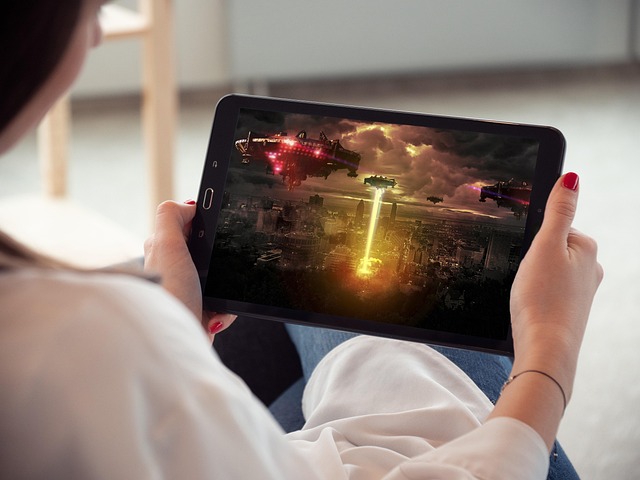
Studying film theory and criticism involves a meticulous methodology that combines rigorous research with critical analysis. To begin, students must familiarize themselves with diverse theoretical frameworks—from formalism to deconstruction—each offering unique lenses through which to interpret cinematic works. This foundational step is crucial for developing a nuanced understanding of film as an art form and its complex relationship with society.
Research plays a pivotal role in this process. Scholars often delve into academic databases, exploring scholarly articles, book reviews, and critical essays to gather insights from renowned critics and theorists. Online ticketing platforms like Movie Theater’s digital marketplace not only provide access to the latest films but also offer a glimpse into popular trends and audience preferences, enabling students to contextualize their studies within contemporary cinematic landscapes. Furthermore, examining film funding sources and niche market data can reveal the economic dynamics shaping the industry, fostering a more holistic appreciation of filmmaking efforts.
Analysis techniques range from close readings of film texts to comparative studies across genres or directors. Collaborative filmmaking, a growing trend in the industry, presents unique opportunities for students to gain firsthand experience in various aspects of production. For instance, analyzing a filmmaker’s use of symbolism in one project and its evolution across multiple collaborations can offer profound insights into creative processes. Students should also engage with primary sources, such as director interviews or behind-the-scenes documentation, to enrich their interpretations.
Audience emergency management is another critical aspect, as understanding audience reactions and engagement during screenings—whether in traditional movie theaters or online platforms—can provide valuable data for evaluating film effectiveness. By combining these research and analysis techniques, students can develop sophisticated critical thinking skills, enabling them to contribute meaningfully to the discourse surrounding film art. Visit us at [Audience Emergency Management Movie Ticket Sales] anytime for more insights and resources tailored to enhancing your film theory journey.
Practical Application: Critiquing Real-World Movies
Studying film theory and criticism isn’t merely an intellectual exercise; it’s a powerful tool for understanding and interpreting cinematic art. When applied practically, critical analysis enriches our experience of watching movies, from cult classic films to contemporary blockbusters. In today’s digital age, with advancements in film editing software and immersive movie experiences, the study of cinema has become more dynamic than ever. Consider the impact of 4K resolution and surround sound on how we perceive a film compared to experiencing it on a classic movie theater screen or even an early home television set.
Critical analysis starts with a deep dive into the technical aspects that bring movies to life. For instance, understanding the art of film editing software allows critics to assess how seamlessly scenes transition, influencing pacing and narrative flow. The layout and acoustics of auditoriums also play a significant role in movie theater experiences, shaping the overall mood and impact of a film. Take, for example, how an atmospheric sound design can transform a mundane scene into a thrilling moment in a horror film when combined with appropriate lighting and seating arrangement. Film preservation is another critical aspect, ensuring that classic movies remain accessible and unaltered for future generations.
When critiquing real-world movies, consider the historical and cultural context in which they were made. For instance, a film set during a particular era might reflect societal norms of that time, providing insights into how society has evolved or remained static. This contextual analysis becomes especially vital when exploring international cinema, where cultural nuances can significantly impact storytelling and visual style. Moreover, understanding the intentions of filmmakers—and how their choices in themes, symbolism, and even narrative structure contribute to a film’s legacy—is essential. This knowledge can help critics appreciate the subtleties that make a movie memorable or transformative, whether it becomes a cult classic or gains critical acclaim over time.
For aspiring film critics, engaging with global film industries and diverse documentary filmmaking styles offers a broader perspective. By exploring films from around the world, one can uncover unique cultural perspectives and storytelling techniques. This international outlook not only enriches one’s understanding of cinema but also fosters a deeper appreciation for the universal language of film. Remember that critical analysis is a skill honed over time; it involves observing, interpreting, and connecting various elements—from technical prowess to artistic vision—to offer insightful and meaningful commentary on movies.
By exploring “Discovering Film Theory,” delving into its historical roots, comprehending key concepts, mastering research methodologies, and applying these skills through real-world movie theater criticism, readers have gained a comprehensive toolkit for critical analysis. This guide empowers individuals to move beyond passive viewing, fostering a deeper understanding of cinematic language and its cultural impact. With this knowledge, readers can navigate the complex tapestry of film art, interpret diverse narratives, and contribute meaningful discussions in the realm of movie theater. The practical applications outlined here serve as a springbord for further exploration, encouraging readers to become engaged cinephiles and critical thinkers.
About the Author