
The film industry navigates a complex landscape where traditional movie theaters compete with streaming platforms, impacting distribution and audience engagement. Filmmakers balance artistic vision with commercial success, influenced by digital trends and audience preferences. Marketing strategies and diverse exhibition methods, like direct-to-video releases and art house shows, cater to niche films. Independent filmmakers face challenges securing theater releases due to major studio dominance and regional factors affecting accessibility.
To counter these issues, cinemas adopt advanced technologies and innovative solutions, while filmmakers use social media and partnerships. Streaming services offer on-demand access but cannot replicate the unique experiences of physical movie theaters. Supporting independent productions and valuing both streaming and cinema experiences are vital for a thriving film culture, fostering community engagement and cultural exchange.
In an era where streaming platforms dominate entertainment consumption, it’s crucial to understand the factors behind certain films’ absence from traditional movie theaters. This phenomenon raises questions about distribution strategies, audience preferences, and the evolving nature of cinema itself. The decline of movies in theaters isn’t merely a trend but a complex interplay between production values, marketing strategies, and shifting consumer behavior. This article delves into these dynamics, offering insights that demystify why some films never make it to the big screen, naturally, and what this means for both the industry and viewers.
- Distribution and Availability: Why Films Reach or Skip Movie Theaters
- Production and Marketing Choices: The Role of Studios and Distributors
- Regional and Demographic Factors: Movie Theater Access Across Geographic Boundaries
- Streaming Era: Impact on Traditional Movie Theater Viewings
Distribution and Availability: Why Films Reach or Skip Movie Theaters

The path a film takes from completion to reaching audiences is a complex process, with many factors influencing whether or not a movie ends up in movie theaters. While traditional theater remains a cornerstone of the film industry, distribution and availability strategies have evolved significantly. Filmmakers now have an array of options beyond the silver screen, including streaming platforms, direct-to-video releases, and alternative exhibition methods. This shift is partly driven by changes in audience habits and the rise of digital media.
One key consideration for filmmakers is balancing their creative vision with the demands of commercial success. Editing skills play a crucial role in shaping a film’s marketability. Tight editing can enhance pacing and audience engagement, making films more appealing to mainstream theaters. Additionally, the allure of 3D film technology has grown, offering immersive experiences that draw viewers into the narrative. However, not all films lend themselves to this format, and the additional costs associated with 3D production can be a deterrent for independent filmmakers. Comparing different distribution paths, such as theatrical releases versus streaming, requires careful analysis of target audiences and marketing strategies.
In some cases, films skip traditional theaters altogether due to factors like limited commercial appeal, niche subject matter, or high production costs. Independent and foreign films often face challenges in securing theater slots, leading many to opt for direct-to-streaming releases or art house exhibitions. This alternative distribution landscape allows filmmakers to reach audiences who appreciate their unique storytelling approaches. For instance, a well-received independent film with strong word-of-mouth may find its niche in specialized festivals before landing on popular streaming platforms, ensuring both critical acclaim and audience engagement without relying solely on movie theaters.
To navigate this evolving industry, filmmakers should stay informed about audience preferences and distribution trends. Analyzing visual storytelling techniques and adapting them to various mediums can ensure films connect with viewers across different platforms. Visiting us at [Brand/Website] offers resources for delving into these strategies, providing insights into the art of crafting compelling narratives that resonate in today’s diverse media landscape.
Production and Marketing Choices: The Role of Studios and Distributors

The unavailability of certain films in movie theaters is a complex issue deeply intertwined with production and marketing choices made by film studios and distributors. In an era dominated by streaming platforms and digital distribution, traditional movie theater experiences have faced increasing competition. This shift has prompted filmmakers and industry professionals to explore alternative avenues for content delivery, causing a ripple effect on the accessibility of films in physical venues.
One key factor is the evolving landscape of film production and financing. Independent filmmakers and smaller studios often struggle to secure theatrical releases due to competitive market conditions. Major studios, with their substantial resources, dominate the market, leaving limited opportunities for niche or experimental films. Cult classic movies, which thrive on word-of-mouth and dedicated fan bases, may find it challenging to gain a foothold in theaters, opting instead for direct-to-consumer digital releases. Film theory research and analysis methods highlight that theatrical distribution has traditionally served as a gateway for films to reach mainstream audiences, but this dynamic is shifting.
Furthermore, the business strategies of studios and distributors play a pivotal role. Some companies prioritize blockbusters and franchise films with proven box office potential, while devoting fewer resources to art house or documentary releases. This imbalance can lead to a dearth of diverse cinematic experiences in movie theaters. To counter this trend, filmmakers are increasingly exploring film preservation techniques and adopting innovative marketing strategies. By partnering with specialized distributors and leveraging social media for promotional campaigns, they ensure that unique and thought-provoking films reach their intended audiences. For instance, classic films or those with niche appeal can be preserved through archival efforts and re-released to new generations, fostering a deeper connection with movie theater attendees.
In light of these challenges, it’s crucial for film enthusiasts to stay informed about upcoming releases and support independent theaters that cater to diverse cinematic tastes. By doing so, audiences contribute to a vibrant film culture where various genres and storytelling styles find their place on the silver screen, including cult classic movies that have captivated viewers through decades. Remember that, as moviegoers, our collective actions shape the cinematic landscape, influencing production choices and ensuring a rich and varied movie theater experience for years to come. Find us at audience emergency management, where we empower film lovers to make informed decisions that preserve and promote our shared cinematic heritage.
Regional and Demographic Factors: Movie Theater Access Across Geographic Boundaries
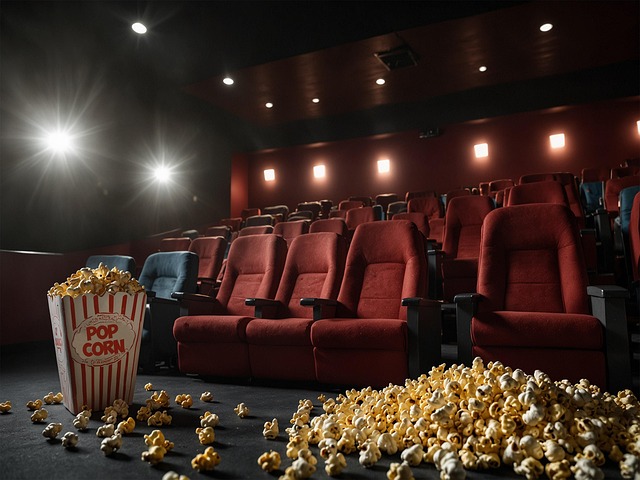
Regional and Demographic factors play a significant role in determining why some films are inaccessible to audiences through traditional movie theater channels. Geographic boundaries can significantly influence the availability of films, with variations in regional cinema preferences, population density, and infrastructure hampering widespread theatrical distribution. For instance, independent or niche films often struggle to secure screenings in remote areas due to lower box office potential compared to mainstream blockbusters. This disparity highlights the need for tailored strategies that cater to diverse cinematic landscapes across regions.
Comparing film adaptations further complicates matters. A successful movie in one region might fail to resonate in another, leading to limited releases or even outright absence from certain markets. Cultural nuances and audience expectations vary widely, necessitating a nuanced approach to content distribution. Moreover, fire safety regulations and theater infrastructure standards differ globally, impacting the feasibility of screening certain films, especially those with unique technical requirements like immersive experiences or cutting-edge film editing software.
To bridge these gaps, movie theaters are increasingly adopting innovative solutions. This includes utilizing advanced projection technologies and sound systems to enhance the viewing experience, as well as implementing digital cinema formats that enable broader content accessibility. However, ensuring equitable access remains a challenge. To address this, cinemas should collaborate with regional partners and streaming platforms to give us a call at concessions in cinemas, offering diverse film choices tailored to local demographics while considering fire safety in theaters and leveraging immersive movie experiences to cater to varied audiences across geographic boundaries.
Streaming Era: Impact on Traditional Movie Theater Viewings

The rise of streaming services has undeniably impacted the traditional movie theater experience, altering the landscape of film distribution and consumption. In the modern era of on-demand entertainment, viewers now have unprecedented access to a vast library of content, often at their fingertips. This shift has led many to question the relevance of physical cinemas, especially as major streaming platforms continuously expand their catalogs. However, a closer examination reveals that movie theaters still hold immense value and are adapting to this new reality by offering unique experiences that cannot be replicated online.
One significant aspect to consider is the evolving relationship between film production and distribution. Crowdfunding cinematic projects has become an increasingly popular method for independent filmmakers to gain support, allowing them to tell their stories without relying solely on traditional studio backing. This democratization of film production empowers creators to bring their visions to life but may also result in films that lack the resources for widespread theatrical release. As a result, these smaller-scale productions often find their homes on streaming platforms, where they can reach audiences who appreciate niche and diverse content. A close reading of these films reveals an emphasis on unique storytelling and artistic expression, which aligns with the current trend towards more authentic and behind-the-scenes cinematic experiences.
Furthermore, the movie theater remains a vital space for fostering community engagement and enhancing the social aspect of film viewing. Group gatherings to watch new releases, discuss themes, and share emotional connections are integral parts of the cinematic experience. Many theaters also host special events, such as Q&A sessions with filmmakers or international cinema showcases, providing audiences with exclusive access to behind-the-scenes insights and diverse global narratives. By offering these unique experiences, cinemas attract film enthusiasts who crave not just the visual spectacle but also the communal and cultural aspects of movie-going.
As we navigate this evolving media landscape, it’s essential for both filmmakers and viewers to recognize the distinct roles streaming services and physical cinemas play in the cinematic ecosystem. To ensure a thriving future for movie theaters, audiences should actively support independent productions and appreciate the value that cinemas bring to film culture. For those passionate about cinema, visiting us at international cinema events anytime offers a chance to immerse oneself in diverse storytelling and connect with a global community of film aficionados.
In exploring why some films are not available in theaters, this article has unveiled a complex interplay of factors shaping the distribution landscape. Key insights reveal that production and marketing decisions by studios and distributors play a pivotal role, often favoring streaming platforms over traditional movie theaters. Regional and demographic variations further complicate access, highlighting the digital divide in theater accessibility. The rise of the streaming era has undeniably transformed viewing habits, prompting a significant shift away from theatrical releases. However, the article underscores the enduring importance of movie theaters as cultural hubs, offering unique experiences that cannot be replicated online. Moving forward, understanding these dynamics is crucial for filmmakers and distributors to strategize effectively, ensuring films reach their intended audiences through diverse channels, including the timeless allure of the movie theater.
About the Author