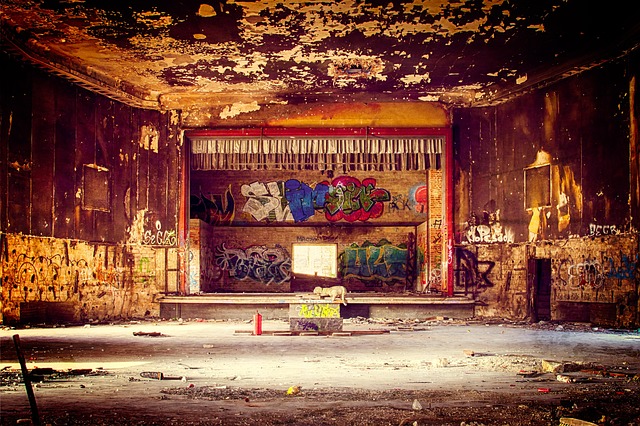
In a dynamic film distribution landscape, traditional theater releases are bypassed in favor of direct-to-consumer streaming deals, benefiting art-house films with dedicated fan bases and critical acclaim. Movie theaters, now sharing the stage with streaming services and niche festivals, face challenges from online platforms offering instant access at lower costs. This shift demands evolving marketing strategies combining traditional advertising with digital engagement. Financial constraints impact theatrical releases, particularly for niche genres and independent productions, prompting direct-to-viewer streaming as an alternative. Preserving niche audiences is crucial for film accessibility, with financial support from grants, crowdfunding, and partnerships. Legal and creative restrictions during post-production also shape distribution models, impacting content suitable for movie theaters.
In an era where movies have become a global cultural phenomenon, the traditional movie theater remains an essential cultural touchstone. However, many films today are not making their way onto silver screens, raising questions about accessibility and audience engagement. This article delves into the complex web of reasons behind this trend, exploring factors such as distribution deals, streaming services’ rise, production costs, and artistic vision. By examining these dynamics, we gain insights into the future of cinema and the evolving relationship between filmmakers, distributors, and the beloved movie theater experience.
- Distribution Deals: Why Movies Skip Theater Release
- Streaming Era: Shift from Traditional Movie Theaters
- Financial Factors: Cost vs. Box Office Revenue
- Niche Audiences: Targeting Specific Viewership
- Content Restrictions: Legal and Creative Limitations in Movie Theaters
Distribution Deals: Why Movies Skip Theater Release

In the dynamic landscape of film distribution, a growing trend has emerged where certain movies bypass the traditional route of movie theater releases. This strategy, often driven by distribution deals, offers a nuanced approach to bringing films to audiences. Deconstructing film narratives and understanding their unique appeal is key to unlocking why some titles choose alternative paths. Movie theaters, long celebrated as the primary hub for cinematic experiences, now share the stage with diverse screening platforms, including streaming services and niche film festivals.
The evolution of cinema marketing strategies has played a significant role in this shift. Studios and distributors are increasingly recognizing the power of direct-to-consumer releases, especially when targeting specific demographics or exploring niche genres. For instance, art-house films, known for their complex narratives and thought-provoking themes, often find more receptive audiences at specialized film festivals before making their way to select movie theaters or digital platforms. This strategy allows filmmakers to build a dedicated fan base and gain critical acclaim, which can significantly impact the film’s longevity and cultural significance.
Moreover, exploring movie theater architecture and its evolving role is essential in comprehending this trend. Many independent and art-house cinemas are now focusing on curating unique experiences rather than solely relying on blockbusters. They actively seek out films that offer diverse storytelling perspectives, fostering a more engaged audience. By partnering with distributors who align with their artistic vision, these theaters ensure a steady flow of compelling content, enhancing their appeal to film enthusiasts. This symbiotic relationship benefits both the cinemas and filmmakers, ensuring that diverse narratives reach their intended audiences in meaningful ways.
For filmmakers looking to navigate this landscape, strategic partnerships and understanding various distribution models are crucial. While traditional theater releases still hold their allure, exploring digital platforms and festivals can provide valuable exposure and open doors to new audiences. As the cinematic experience continues to evolve, staying agile and adaptable is key. Give us a call at editing skills for filmmakers to learn more about optimizing your film’s journey, ensuring audience engagement across various platforms.
Streaming Era: Shift from Traditional Movie Theaters

The rise of the streaming era has significantly shifted the landscape of film distribution, leading to a notable decrease in the availability of certain films in traditional movie theaters. This shift is driven by several factors that have transformed how audiences consume cinema. Online streaming platforms offer viewers instant access to an extensive library of content, often at a lower cost and with greater flexibility compared to ticketed theater experiences. As a result, both major film studios and independent producers are increasingly focusing their resources on creating content designed for digital release first or exclusively.
The decline in theatrical screenings is particularly evident in smaller cities and rural areas where specialized movie theaters struggle to compete with the convenience of streaming services. This trend poses significant challenges to fire safety in theaters, as well as the viability of maintaining historical cinema buildings. However, it also opens opportunities for new media film preservation societies to play a more active role in safeguarding cinematic heritage. These organizations can collaborate with online ticketing platforms and innovative film funding sources to support independent filmmakers while ensuring that classic films remain accessible digitally.
Moreover, while streaming has democratized film distribution, it’s crucial for audiences to remember the unique experience movie theaters offer—immerse oneself fully in a story, share communal laughter or tears, and appreciate the artistry on the big screen. To adapt to this new era, cinema marketing strategies should evolve to emphasize these experiential aspects, blending traditional advertising with digital engagement tactics. For instance, successful campaigns can now leverage social media to create buzz around local theater screenings, offering exclusive discounts or Q&A sessions with filmmakers—a far cry from the days when film promotion primarily relied on billboards and newspaper ads.
Given the rapid pace of change in the entertainment industry, give us a call at cinema marketing strategies to discuss tailored solutions that help theaters navigate these shifting sands, ensuring their longevity in an era dominated by new media.
Financial Factors: Cost vs. Box Office Revenue

The absence of certain films from movie theaters isn’t always a reflection of their popularity or artistic merit. Financial constraints play a pivotal role in determining which movies grace the silver screen in theatrical releases. When comparing the costs involved in filmmaking to the potential box office revenue, studios often face complex decisions. High production expenses, marketing budgets, and distribution costs can significantly impact a film’s profitability, especially when facing stiff competition within an already saturated market.
Movie theaters, with their intricate auditorium layout and sophisticated sound systems, demand high-quality content to maximize revenue. However, not all films cater to the mainstream audience or align with current box office success factors. Independent and art house productions, despite their critical acclaim, may struggle to attract a large enough audience to justify the theater experience. This is particularly true for niche genres that require specialized audiences, such as graduate-level cinema programs focused on experimental or avant-garde films. The challenge lies in balancing artistic vision with commercial viability.
Studios must consider the return on investment carefully, especially in an era where streaming platforms offer direct access to viewers. Some films may not meet the traditional box office expectations but still find success through alternative distribution methods. In such cases, theatrical releases can be optimized for specific markets or demographics, ensuring a dedicated audience and fostering a deeper connection with viewers. For filmmakers looking to navigate this landscape, understanding these financial dynamics is crucial. Engaging directly with audiences through events, leveraging social media, and exploring innovative marketing strategies can enhance the overall experience, even if it doesn’t always translate into immediate box office success. Give us a call at editing skills for filmmakers audience engagement to explore tailored solutions in this ever-evolving industry.
Niche Audiences: Targeting Specific Viewership

In today’s diverse media landscape, the traditional movie theater experience is no longer the sole domain for film consumption. One of the primary reasons certain films are absent from screens is the shift towards catering to niche audiences. Filmmakers and distributors increasingly recognize that appealing to specific viewership segments through tailored content can be a powerful strategy. This approach, while potentially limiting theatrical distribution models, offers unique advantages in reaching engaged audiences who may not always frequent mainstream movie theaters.
Niche films, often characterized by their specialized subject matter, unique storytelling techniques, or diverse representations, have gained recognition for their ability to foster deep engagement. For example, independent documentaries targeting environmental conservation or social justice issues find a dedicated following among film enthusiasts and advocates. Similarly, foreign-language films offer cinematic experiences that broaden cultural perspectives, attracting audiences seeking alternative narratives beyond mainstream offerings. To effectively reach these viewers, film creators employ targeted marketing strategies, leveraging social media and online platforms to build communities around their content. This direct-to-consumer approach challenges the traditional theatrical window, as filmmakers explore alternatives like streaming services or virtual screenings to ensure their stories reach the intended audience.
Understanding the demographics and preferences of niche audiences is crucial for film preservation and accessibility. Film analysis for beginners and seasoned experts alike emphasizes the importance of catering to diverse tastes and perspectives. As independent cinema gains traction, financial support from funding sources beyond traditional theatrical releases becomes essential. This includes grants, crowdfunding campaigns, and partnerships with organizations dedicated to cinematic art, such as calling upon cinema and new media film preservation societies for assistance. By embracing niche audiences, filmmakers can create sustainable models that preserve artistic integrity while ensuring films find their intended viewers, be it in movie theaters or through innovative digital distribution channels.
Content Restrictions: Legal and Creative Limitations in Movie Theaters

The unavailability of certain films in movie theaters can often be attributed to content restrictions stemming from legal and creative limitations. In the behind-the-scenes world of filmmaking, post-production tools offer filmmakers immense power, but they also come with guidelines that dictate what makes it onto the big screen—and subsequently, into movie theaters. These restrictions are multifaceted, considering not only copyright issues and age-appropriate content but also the evolving expectations of audiences and the impact of films on popular culture.
Take, for instance, the recent surge in adult-oriented content, which has challenged traditional cinematic norms. While independent filmmakers have long used post-production techniques to create groundbreaking narratives, the integration of explicit scenes or mature themes necessitates careful consideration. Movie theaters, as public spaces, are bound by regulations aimed at maintaining a certain level of decency and safety, leading to content restrictions that can exclude films from wide theatrical release. This balance between artistic expression and compliance is a delicate one, with each decision reflecting the interplay between legal mandates and creative vision.
Moreover, the rapid digital transformation has not escaped the film industry. With streaming platforms gaining prominence, the very definition of ‘theatrical release’ is evolving. Traditional movie theaters are now competing with online services that offer viewers instant access to films. In this landscape, certain content might be deemed better suited for digital-first releases or curated festival screenings rather than the standard theatrical run. This shift has profound implications, as it encourages filmmakers to consider alternative distribution channels and fosters a new era of storytelling that can reach audiences in diverse, sometimes non-linear ways.
For aspiring filmmakers looking to navigate these waters, understanding these constraints is crucial. The key lies in leveraging post-production tools effectively while adhering to legal boundaries. By embracing creative solutions and exploring innovative distribution models, young filmmakers can ensure their work reaches the right audience—whether that’s on the silver screen or through other compelling mediums. For expert guidance tailored to youth interested in movie theater design, give us a call at filmmaking workshops; we’re here to help shape the next generation of cinematic creators.
In an era shaped by streaming services, the availability of films in movie theaters is undergoing a significant transformation. Key insights reveal that distribution deals often bypass traditional cinemas due to evolving audience preferences and the streaming era’s dominance. Financial considerations, including cost versus box office revenue, play a crucial role, as producers weigh the benefits of direct-to-stream releases. Additionally, niche audiences demand tailored content, leading to targeted releases that may skip the mainstream movie theater altogether. Content restrictions, whether legal or creative, further complicate matters. Understanding these factors empowers filmmakers and industry stakeholders to adapt to changing consumption patterns, ensuring movies reach viewers through suitable channels while preserving the unique experience of the movie theater when it remains an integral part of the entertainment landscape.
About the Author